Cardiac Electrophysiology (EP) in Bareilly

Advanced heart-rhythm procedures that find and correct the faulty electrical circuits behind palpitations, fainting and irregular heartbeats.

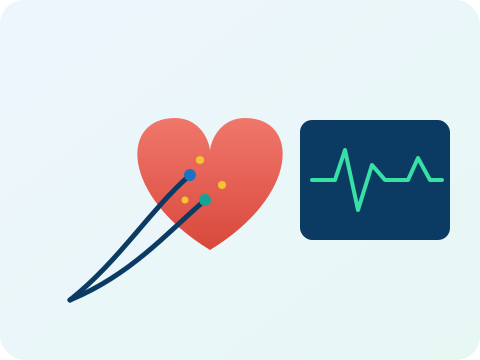
Electrophysiology study illustration

Electrophysiology Study (EPS)

An EPS uses fine catheters to record the heart's electrical signals from the inside, mapping exactly where an abnormal rhythm begins — often uncovering problems a surface ECG cannot catch, and guiding the right treatment.

When you might need it
  • Unexplained palpitations or a racing heart
  • Fainting or blackout spells
  • Dizziness with a suspected rhythm problem
  • Before a planned ablation
  • Finds the source
  • Guides treatment
  • Low-risk day procedure
3D radiofrequency ablation illustration

3D RF Ablation — CARTO / EnSite

Using a live 3D electrical map of the heart, radiofrequency energy is delivered with pinpoint accuracy to switch off the faulty circuits that cause fast or irregular rhythms — a lasting cure for many arrhythmias, with low recurrence and quick recovery.

When you might need it
  • SVT, atrial flutter or atrial tachycardia
  • Fast rhythms not controlled by medicines
  • Recurrent palpitations affecting daily life
  • Certain ventricular arrhythmias
  • Often curative
  • 3D-guided precision
  • Faster recovery
Conduction system pacing illustration

Conduction System Pacing (CSP)

A modern, more physiological way to pace the heart. Instead of stimulating the muscle directly, CSP — His-bundle and left-bundle-branch pacing — drives the heart through its own natural wiring, for a more natural, efficient beat and better long-term heart function.

When you might need it
  • Slow heart rate or heart block needing a pacemaker
  • Heart failure with an electrical delay
  • A more natural alternative to conventional pacing
  • Symptoms persisting on an older pacemaker
  • Natural activation
  • Protects heart function
  • Advanced technique

Palpitations or fainting spells?

An electrophysiology consult can find the cause and, often, cure it. Message Dr. Varshney to discuss your symptoms.