Cardiac Device Procedures in Bareilly

Small implantable devices that keep the heartbeat steady, protect against sudden cardiac arrest, and help a weakened heart pump better.

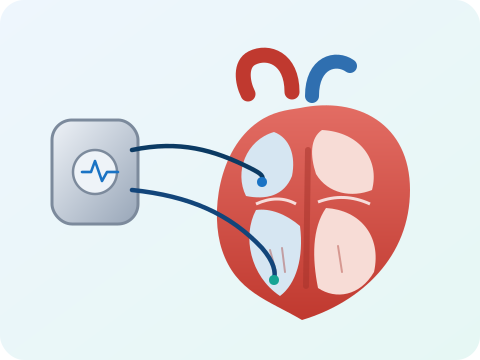
Pacemaker implantation illustration

Pacemaker — Single & Dual Chamber

A small device implanted under the skin that gently steps in whenever the heartbeat becomes too slow or pauses — keeping the rhythm steady and putting an end to dizziness, fatigue and fainting.

When you might need it
  • A persistently slow heart rate (bradycardia)
  • Fainting or sudden dizzy spells
  • Heart block seen on your ECG
  • Pauses in the heartbeat, especially at night
  • Steady rhythm
  • Ends fainting spells
  • 8–12 yr battery
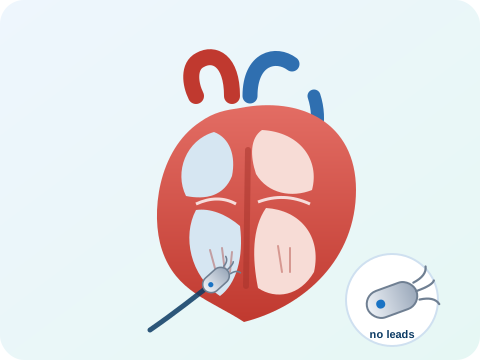
Leadless pacemaker illustration

Leadless Pacemaker

A next-generation pacemaker no bigger than a large capsule, placed directly inside the heart through a vein in the leg — with no chest incision, no visible bump and no wires (leads) at all.

When you might need it
  • A slow heart rate (bradycardia) needing single-chamber pacing
  • A higher risk of infection with a conventional device
  • Difficult veins or previous problems with pacemaker leads
  • A preference to avoid a chest scar or device pocket
  • No leads or scar
  • Tiny & discreet
  • Faster recovery
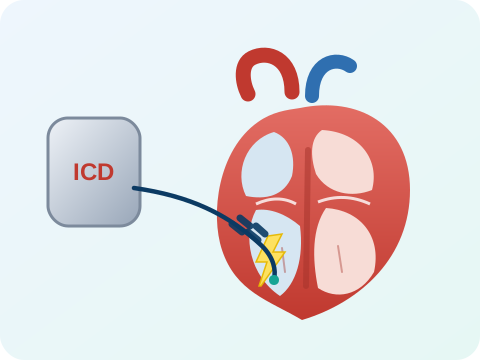
Implantable cardioverter defibrillator illustration

ICD / AICD

An implantable defibrillator continuously watches the heart's rhythm and, the instant a life-threatening arrhythmia appears, delivers a corrective shock — a proven safeguard against sudden cardiac arrest.

When you might need it
  • A weak heart pump (low ejection fraction)
  • A previous cardiac arrest or dangerous VT
  • Fainting caused by a rapid arrhythmia
  • High inherited risk of sudden cardiac death
  • 24/7 protection
  • Stops sudden arrest
  • Life-saving shock
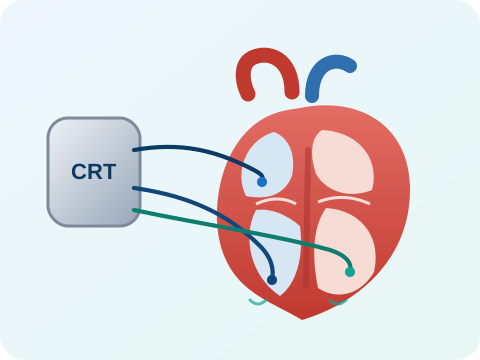
Cardiac resynchronization therapy illustration

Cardiac Resynchronization Therapy (CRT)

For a heart weakened by failure and out-of-sync contractions, CRT uses a specialised device to make the chambers beat together again — easing breathlessness and fatigue, and improving day-to-day quality of life.

When you might need it
  • Heart failure with a weak pump despite medicines
  • An ECG showing electrical delay (wide QRS / LBBB)
  • Persistent breathlessness and fatigue
  • Reduced ability to do everyday activities
  • Chambers in sync
  • Eases symptoms
  • Better quality of life

Do you need a heart device?

Dr. Varshney will assess whether a pacemaker, ICD or CRT is right for you — and explain every step clearly.